

In recent years, the field of healthcare and well-being has experienced a significant transformation, largely driven by the emergence of these small protein fragments. These tiny molecules, made up of brief sequences of amino acids, are gaining acknowledgment for their strong healing properties and potential to transform tissue repair. From improving https://purepeptide.bg/ to supporting cartilage health, peptides are changing our understanding of how the body can regenerate itself after trauma or damage.
As researchers delve deeper into the science of healing, the spotlight shines on the methods by which peptides operate. Understanding how these biomimetic agents influence cellular processes opens up exciting possibilities in regenerative medicine. Whether it's speeding up recovery from chronic wounds, minimizing visible scarring, or even boosting anti-aging effects, the impact of peptides on health and wellness is profound. This article will discuss the peptide revolution, looking into the latest breakthroughs and practical applications that place these extraordinary molecules at the forefront of current healing therapies.
The Science of Peptide Research in Cell Regeneration
These molecules are small sequences of AA that play a crucial role in various biological processes, particularly in cellular healing and reconstruction. They act as communication molecules that communicate with cells, instructing them to react to injury and start healing. By mimicking the natural processes of the body, peptides can stimulate the production of key proteins such as collagen and elastin fibers, which are crucial for preserving skin integrity and elasticity. This mimicry approach allows for targeted healing methods that enhance recovery and improve outcomes in tissue remodeling.
Recent studies underscore the importance of peptides in wound healing, where their functions facilitate more rapid tissue regeneration. When a wound occurs, peptides are secreted to modulate inflammation, promote cell movement, and stimulate new blood vessel formation. This series of events accelerates the healing process, shortening healing time significantly compared to standard methods. The active nature of these peptides means they can be designed and customized to target specific types of injuries, whether they be superficial cuts or complicated wounds requiring skin transplants.
In addition to their regenerative capabilities, peptides also hold potential in enhancing the quality of healing. By incorporating specific these compounds into treatment plans, healthcare providers can minimize scarring and enhance the overall visual outcomes after injury. Research indicates that these molecules can effectively lessen excessive fibrosis, leading to smoother and less visible scars. As our knowledge of the biology of peptides grows, so does the capability for innovative treatments that not only heal but also improve the standard of living for individuals facing various tissue injuries.
Developments in Wound Treatment and Recovery
The arena of wound management is undergoing a significant evolution thanks to the integration of peptide innovations. Peptides are becoming as a key element in advanced wound healing products, showing remarkable effectiveness in enhancing tissue repair and repair. By imitating the human natural healing functions, these tiny compounds improve the restoration of cutaneous tissue and other cell types, showing hope in diverse clinical applications, including grafting procedures and chronic management of wounds.
Targeted peptide-based therapies are more than a theoretical concept; they are proactively transforming how we treat wound treatment. For instance, certain peptides are engineered to stimulate collagen synthesis, which is crucial for restoring epidermal architecture after damage. By harnessing the benefits of these molecules, healthcare providers are able to provide treatments that not only speed up healing but also minimize the likelihood of scarring. This cutting-edge strategy is resulting to innovations in how we manage both sudden wounds and persistent ailments.
Furthermore, the adaptability of peptide applications goes beyond simple topical solutions. Experts are studying the capabilities of peptides administered orally, which may influence systemic healing processes through the connection between gut health and skin health. This interaction creates new avenues for enhancing wound recovery and comprehensive tissue wellness, reinforcing the key role these compounds play in today’s healthcare. As ongoing research progresses, the prospects of wound management appears to be very hopeful, with peptides at the leading edge of this medical revolution.
Protein fragments and Their Function in Restorative Health
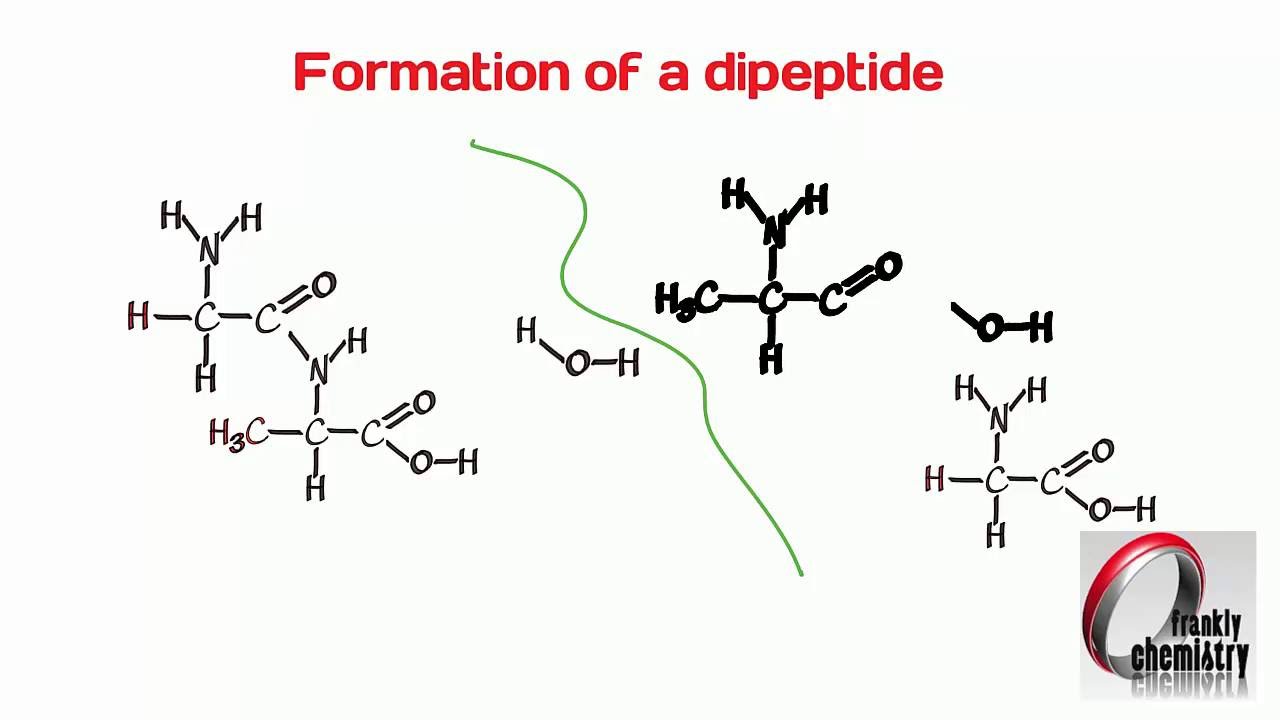
Protein chains play a critical function in restorative health by acting as signaling molecules that promote communication between cells. These short chains of amino acids can precisely target cell signaling pathways, enhancing tissue healing and regeneration. By mimicking the body's natural healing processes, peptides help to stimulate the development of angiogenesis, stimulate cell growth, and regulate inflammatory responses. This targeted targeting allows for a more efficient restoration of tissues, making peptides an integral component of modern healing strategies.
In the treatment of wounds, peptides have emerged as innovative solutions, offering solutions that go beyond traditional methods. Their capability to promote collagen production and enhance the structural strength of tissues not only reduces scarring but also accelerates recovery from injuries. Advanced peptide formulations can be tailored to address particular requirements, whether for chronic wounds or short-term injuries, providing tailored treatment choices that enhance the recovery process. This innovation is particularly beneficial in skin grafting and burn treatment, where restoring tissue integrity is crucial.
Moreover, the application of peptides goes beyond skin health, impacting joint and nerve regeneration as well. Research is ongoing into how targeted peptides can restore cartilage and support joint health, potentially alleviating pain and improving mobility. Similarly, peptides are being investigated for their role in guiding spinal cord repair, highlighting their restorative prowess. As science keeps to unlock the potential of these small molecules, they stand to transform the landscape of health and wellness, offering hope for more effective healing solutions across various medical fields.